Implementing Incision Assist Across Multiple Sites: A Human Approach to Digital Change
When hospitals choose to roll out Incision Assist across multiple sites, it’s not just a technical deployment; it’s a people-centered transformation. From surgical teams to service line leads and IT stakeholders, the implementation process is built on a deep understanding of how each hospital and each person works.
Incision Assist helps perioperative teams prepare for surgical procedures by bringing together surgeon preferences, workflows, and practical insights in one accessible place. And while Assist is a digital platform, its successful implementation is profoundly human.
In this blog, we’ll walk you through the full implementation process of Incision Assist.
It Starts with Understanding: From First Conversation to On-Site Discovery
What sets Incision apart is that implementation doesn’t begin with a handover; it begins with a relationship.
From the earliest conversations during the sales process, our Customer Success Managers and Implementation Managers are already involved. They sit in on discovery calls, review goals with clinical and operational stakeholders, and start identifying what success should look like for your specific environment.
This means that by the time the contract is signed, our team already has a deep understanding of your priorities and is ready to guide you through each step of implementation with continuity and context.
“Those early conversations are where we align on what success really means for a hospital. It helps us make better decisions later, because we’re not starting from zero.” — Margaret Bond, Customer Success Lead, Incision
From there, we continue by meeting teams where they are. Each hospital we work with is unique: in culture, workflows, leadership styles, and the needs of their perioperative teams. That’s why implementation always begins with listening.
We meet onsite with local leads, walk the halls, observe workflows and teams, and gather the context behind the way of working and the preference cards. Rather than assuming consistency, we anticipate variation and plan accordingly.
With that understanding in place, we move into a structured implementation process designed to bring everything together.
Implementation in Three Phases: Grounded in Trust
This process is organized into three key stages, designed to bring teams on board, ensure alignment, support a smooth roll-out across all sites, and make sure the information in Assist truly reflects your workflows.
Project Preparation: Gathering Insights, Not Just Data
After a joint kickoff with all project leads, we move into an in-depth exploration of each site. We collect EHR exports, build custom 3D room layouts, photograph devices, and talk with service line experts. Every site gets our full attention, not just as a data source, but as a partner.
We take time to understand how each team prepares for cases, where information lives (often also in people’s heads), and what they need to feel confident and in control. This tailored approach is central to our philosophy.
We also perform technical checks early, flagging Wi-Fi or device issues before they affect go-live. This ensures that when teams are ready to start, the technology supports them, not slows them down.
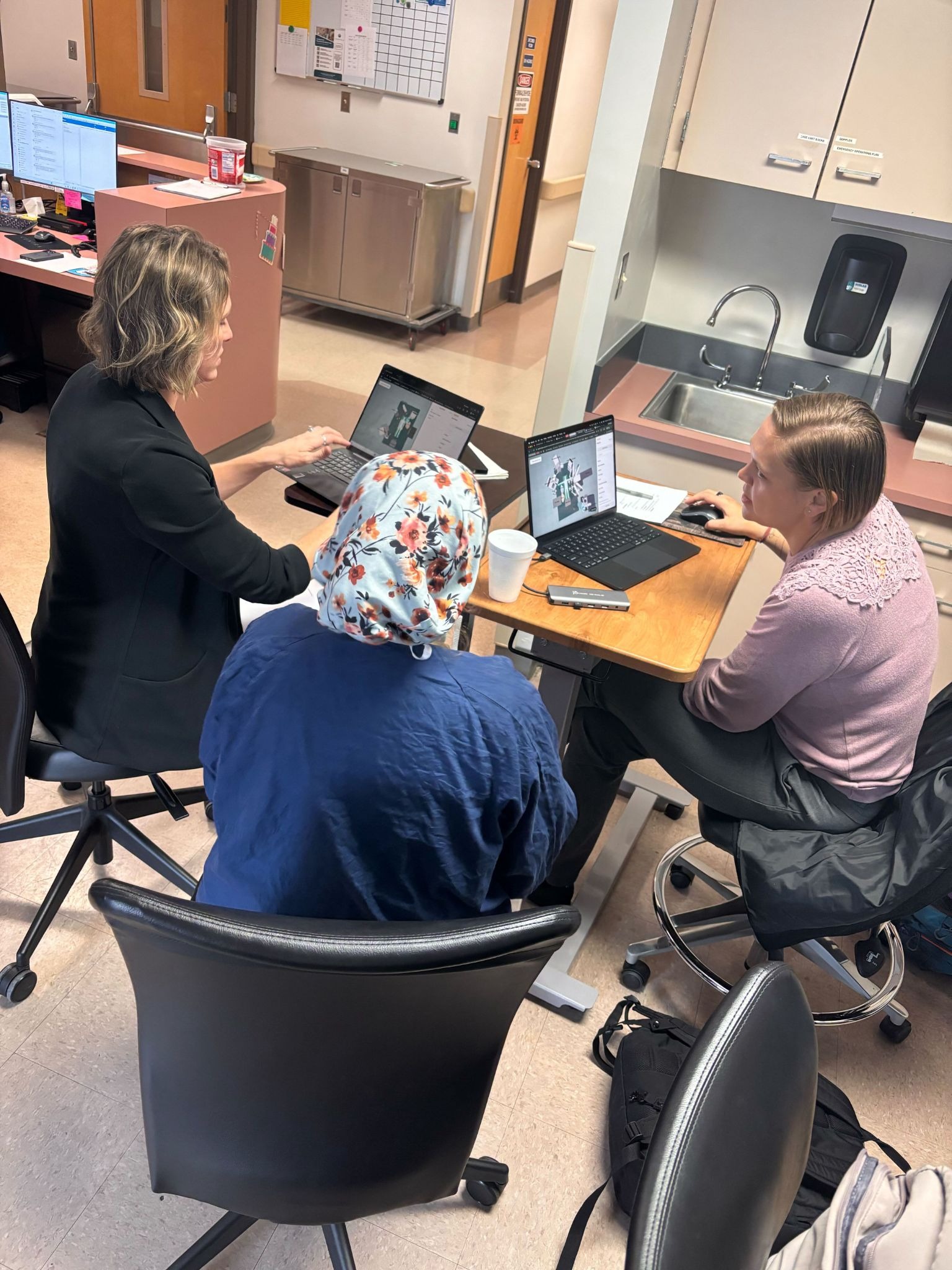
Our implementation team on-site, working closely with staff to capture real workflows
Implementation Sprint: A Unique Layer of Clinical Quality Control
Once data is validated, we enter the implementation sprint. Here, our team of OR nurses carefully reviews every preference card before it’s uploaded.
This clinical review, done by real nurses with real OR experience, is a critical safeguard and something we’re proud to offer. Because these are the same specialists who were involved during the on-sites, they don’t just review the content, they build it with a deep understanding of each hospital’s specific workflows.
This ensures that what teams see in the app is not only accurate, but also truly reflects how they work in practice.
“Because we’ve seen how the teams work onsite, we can translate that into something that actually makes sense in the platform, not just something that looks right on paper.” — Cara Rich, Implementation Team Lead, Incision
For a deeper look at how we structure, validate, and enrich preference cards and surgical content, you can read more in this blog.
Go-Live Support: Training, Excitement, and Listening Again
Once all content is built, we move into the go-live phase. We host key user training roughly a month before go-live. These sessions are designed for staff who will play an active role in maintaining the platform, such as OR educators, service line leads, or managers. During this training, they learn how to edit content, manage updates, and use the built-in feedback loop to continuously improve the platform.
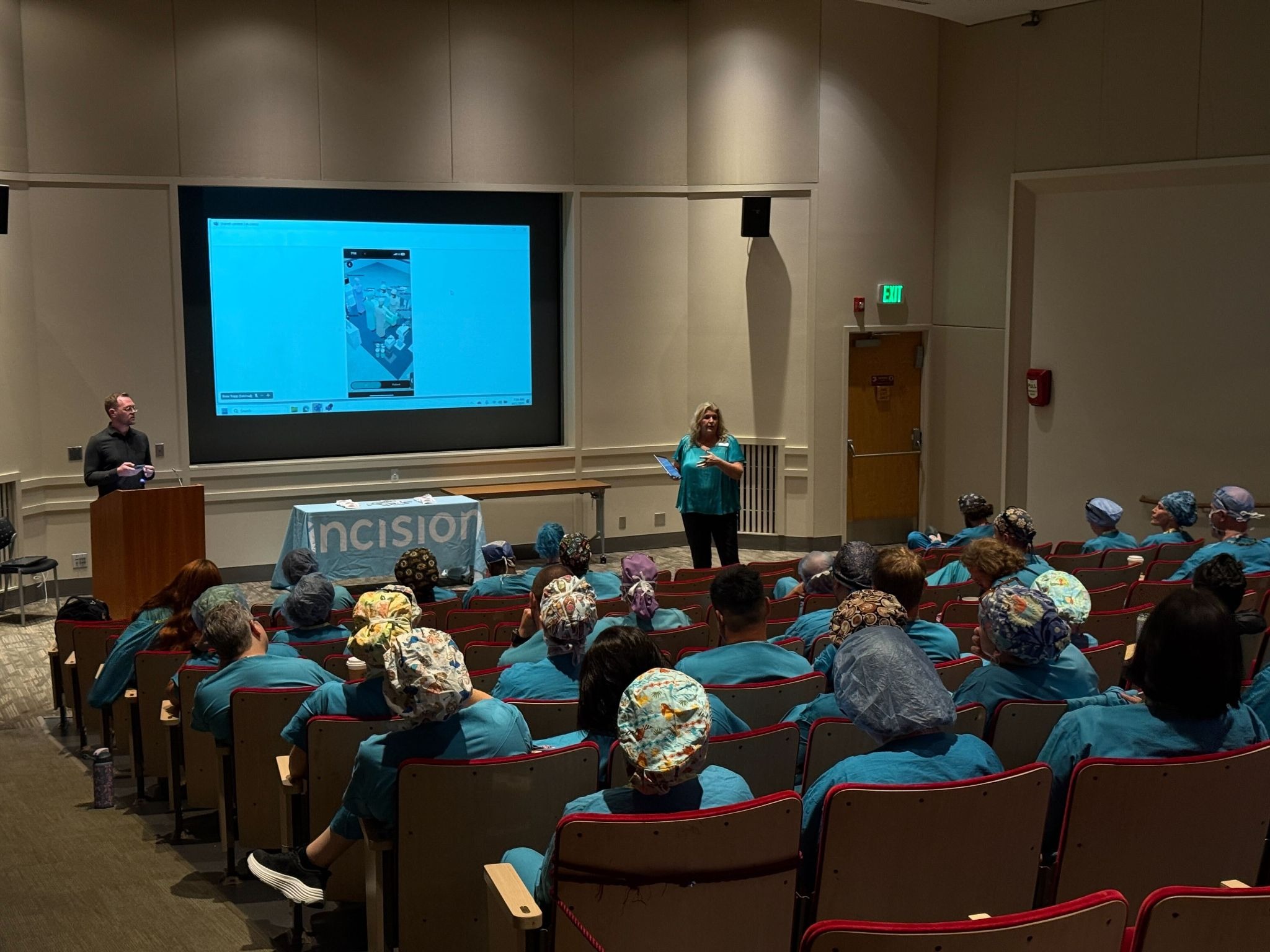
Introducing Incision Assist to OR teams during a hands-on session, building familiarity, confidence, and excitement ahead of go-live.
The go-live itself is the moment when all staff gain access to the app. During this time, our team is on-site to introduce the platform, guide teams through how it works, and support them as they begin using it in their daily routines. We provide hands-on onboarding, answer questions in real time, and ensure everyone feels comfortable getting started.
“The implementation process was flawless, and staff adoption was higher than expected. The app is an invaluable resource; it helps our team work independently and learn efficiently, especially for newer staff.” – Courtney Bates, OR Manager, Tanner Health Villa Rica
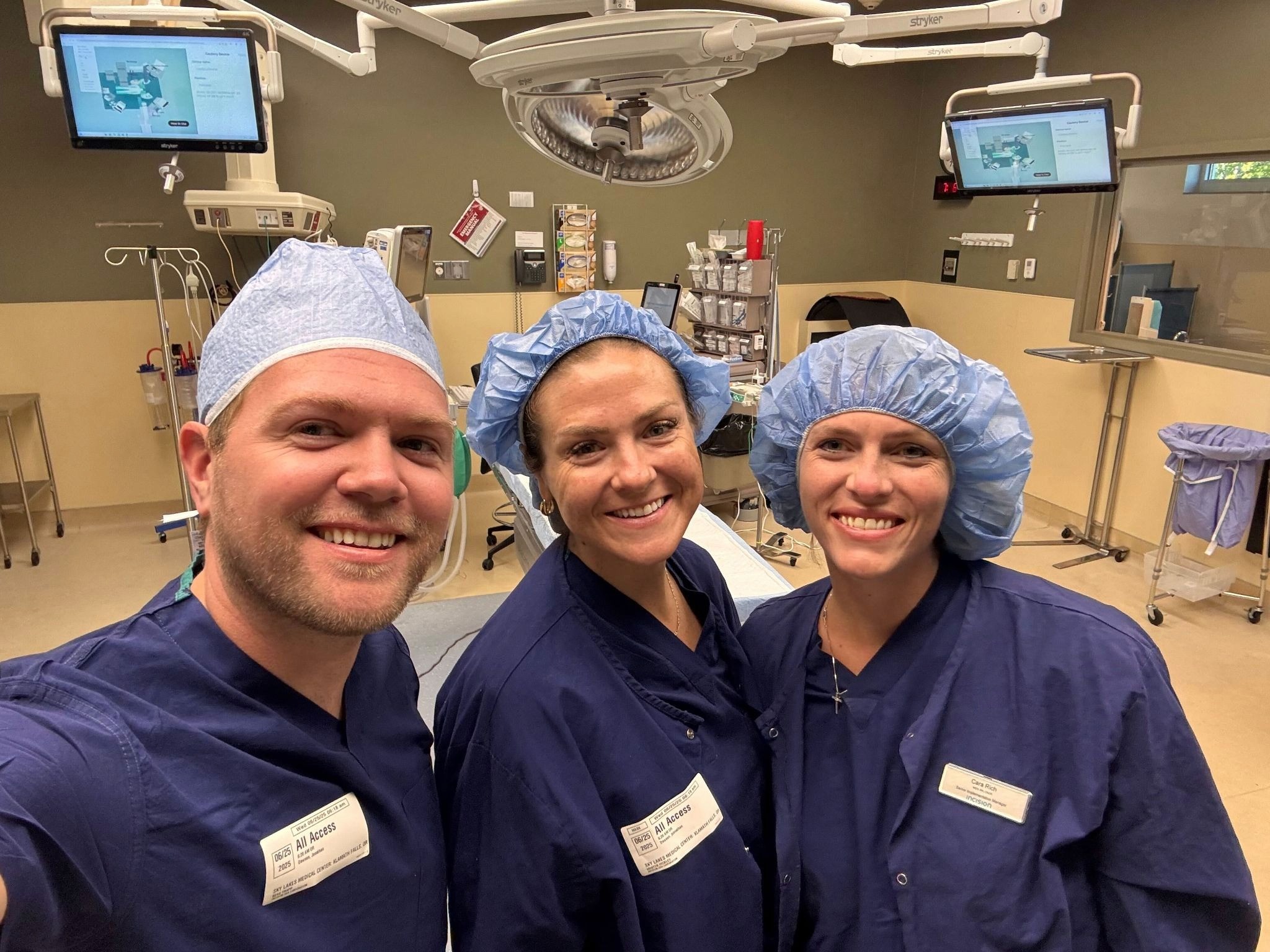
Our Customer Success and Implementation teams on-site during go-live, supporting staff and helping them get started with Assist.
Ongoing Support That Doesn’t Disappear
Once live, you don’t lose your support team. The same Implementation Manager and Customer Success Manager stay involved, ensuring continuity as teams begin using Assist in their daily routines.
“Our role doesn’t stop at go-live. We stay closely involved to make sure the platform continues to evolve with the team and remains useful in day-to-day practice.” — Beau Trapp, Customer Success Manager, Incision
Through regular check-ins, we work together to refine content, support the onboarding of new staff, and expand the platform across service lines or locations as needed. Along the way, we track feedback and usage patterns together, so the platform continues to grow in a way that reflects your team’s needs.
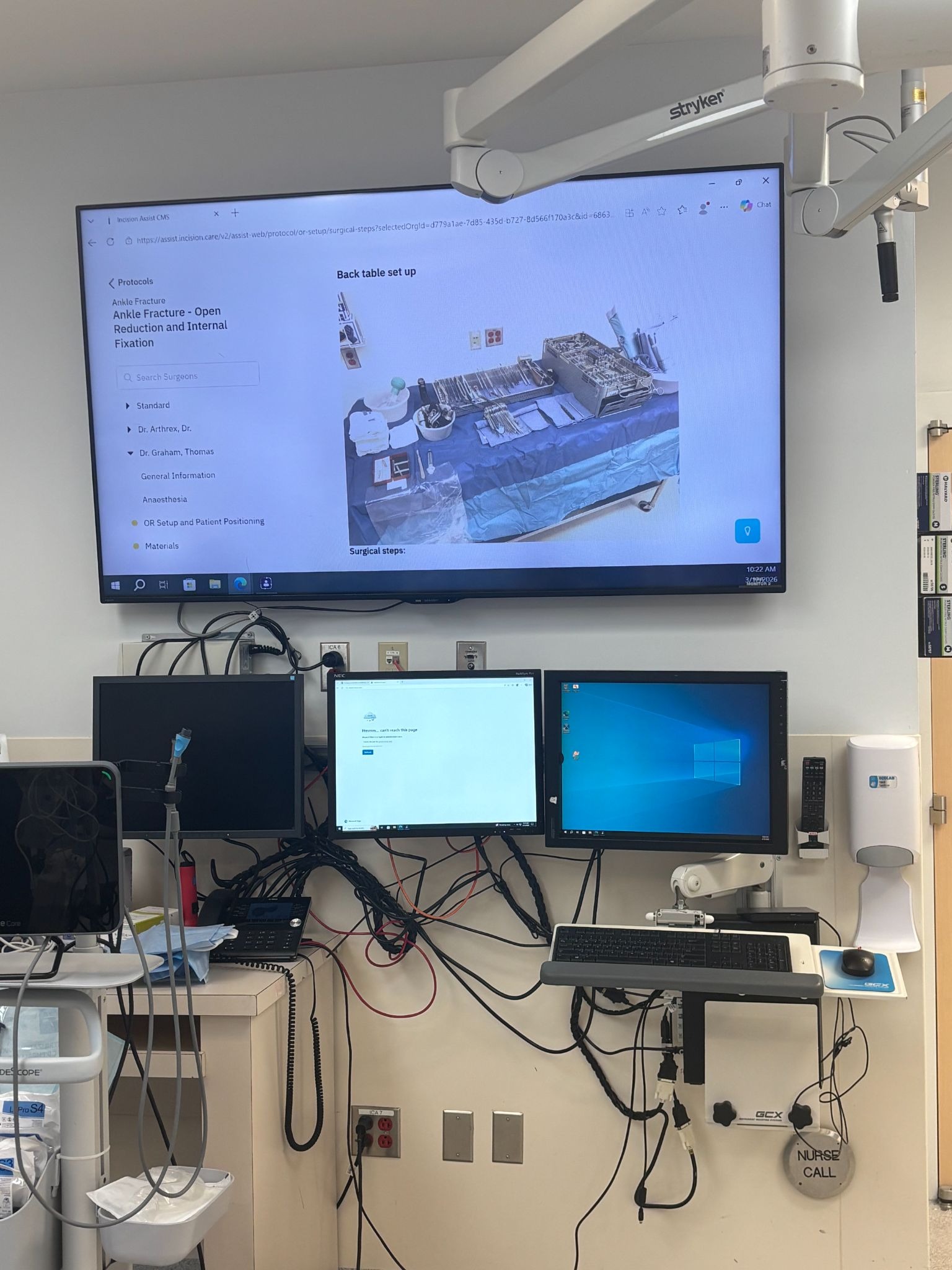
Incision Assist displayed in the OR, supporting teams in real time.
Once that strong foundation is in place, with workflows standardized and knowledge captured, teams can begin to focus on continuous improvement. With reliable information easily accessible, staff spend less time searching and more time preparing, collaborating, and refining how they work.
This is where we start to see meaningful improvements: smoother workflows, reduced delays, and more effective use of time and resources, alongside teams that feel more prepared, confident, and supported in their day-to-day work.
And behind every statistic is a story of someone stepping into an unfamiliar case and feeling ready for the first time. Of a team getting through a long list more smoothly than before. Of a new hire who no longer needs to chase someone down for the right setup.
These stories begin long before go-live. They begin with asking the right questions and truly listening to the answers.
Equip Your Team with Tools That Boost Confidence and Cut Down on Case-Day Chaos
Our implementation team is ready to meet you where you are, literally. Whether you're launching Assist across two sites or ten, our process is always grounded in empathy, curiosity, and collaboration. Because supporting surgical teams starts with supporting the people behind them.
👉 Get in touch at www.incision.care/contact
👉 Or explore the platform at www.incision.care/products/assist